


From office buildings to smart communities, how does the KeyFob card seamlessly integrate into diverse access scenarios?
Release Time : 2026-01-07
In today's increasingly digital world, identity verification and access control have quietly shifted from "tangible keys" to "intangible credentials." In this transformation, the KeyFob card—a smart device that cleverly integrates access control functions into everyday personal items—is becoming an invisible link connecting work, residence, and living spaces with its unique convenience, reliability, and universality. Whether in the lobby of a towering office building or the entrance of a tree-lined smart community, it provides a seamless "one-button access" experience, truly achieving "access wherever you are."
Its core advantages are primarily reflected in its extreme portability and natural integration with user habits. Traditional access cards need to be stored separately in a wallet or cardholder, often requiring searching, pulling out, and aligning with a card reader—a cumbersome process that can be inconvenient in rainy weather or when both hands are occupied. The key fob card is directly attached to a keychain, seamlessly integrating with the keys people carry daily. Simply grab your key and bring it near the access control terminal for automatic recognition and passage, requiring no additional action. This "zero-operation" experience not only improves efficiency but also eliminates the embarrassment of being denied entry due to forgetting your card. For the elderly, children, or those with mobility issues, this extremely simplified operation significantly lowers the barrier to entry.
Secondly, its robust and durable design adapts to diverse environmental challenges. From the damp corners of office building underground parking garages to the sun and rain near community parcel lockers, and the frequent bumps and knocks on school playgrounds, key fob cards are often exposed to complex environments. High-quality products employ a waterproof and sealed structure and an impact-resistant shell (such as metal, high-strength engineering plastics, or silicone coating) to effectively protect the internal chip and coil from moisture corrosion, drops, impacts, or bending damage. Even after months or even years of high-frequency use, it maintains stable signal and intact appearance, ensuring uninterrupted access. This "silent reliability" is the foundation for its long-term service in multiple scenarios.
Furthermore, technological compatibility and system integration capabilities support cross-scenario applications. Modern key fob cards generally employ mature contactless radio frequency identification (RFID) or NFC technologies, possessing excellent penetration and reading stability, allowing for rapid response without precise alignment. More importantly, their underlying protocols can flexibly adapt to access control, elevator control, attendance, and even payment systems from different manufacturers. This means that the same key fob card can be used for clocking in at company turnstiles, opening apartment doors and elevators at home, and making small payments at community convenience stores. Through a unified identity authentication platform, users no longer need to carry multiple cards, truly achieving a "one card for everything" smart living loop.
In addition, security and privacy protection are not compromised for convenience. High-end key fob cards have built-in encryption chips, supporting dynamic keys, anti-copying mechanisms, and hierarchical permission management. Even if the card is lost, permissions can be remotely revoked in the background to prevent unauthorized use. Simultaneously, the communication process typically uses one-way or encrypted two-way verification to prevent information from being read arbitrarily, ensuring user data security. This "convenience does not mean vulnerability" design philosophy allows users to enjoy efficient access while still feeling secure.
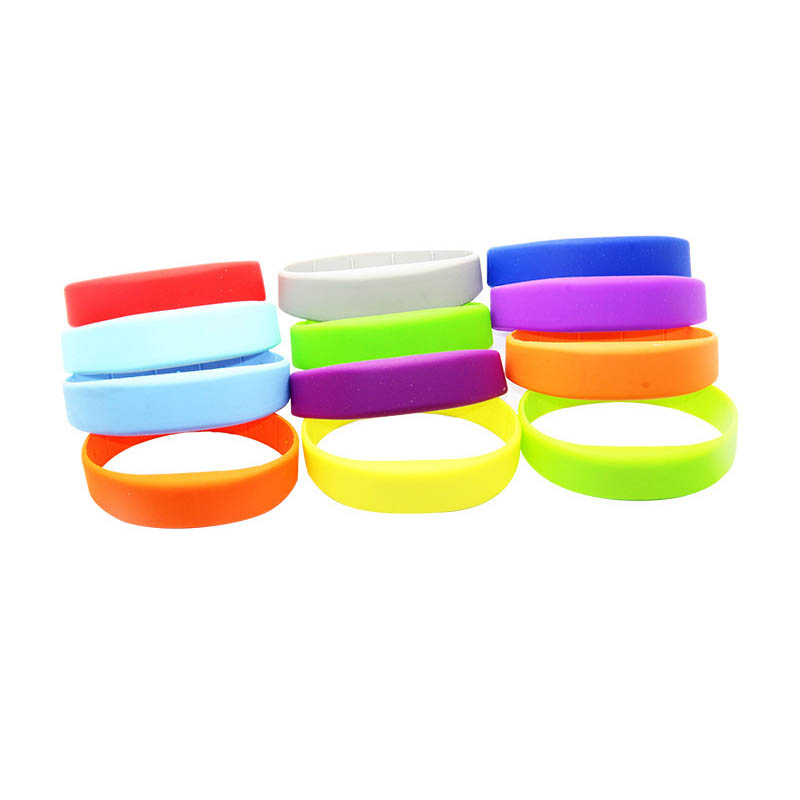
Finally, the integration of personalization and branding expands its social attributes. Businesses can customize KeyFob cards with their logos as a symbol of employee identity, schools can design exclusive patterns to enhance a sense of belonging, and communities can use colors to differentiate building access levels. It's not just a tool, but a lightweight identity marker and cultural carrier, conveying warmth and recognition beyond mere practicality.
Ultimately, the reason KeyFob cards can seamlessly integrate into diverse scenarios, from office buildings to smart communities, is not because of their dazzling technology, but because they deeply understand and adapt to human behavior. They don't change lifestyles, but rather let technology blend into daily life; they don't add burdens, but rather simplify complexity. When the morning sunlight shines on the glass curtain wall of an office building, an office worker gently shakes their key, and the access control opens in response—at that moment, the true essence of smart living lies hidden in this silent understanding: the best technology is one that you don't even feel its presence, yet is always gently protected.
Its core advantages are primarily reflected in its extreme portability and natural integration with user habits. Traditional access cards need to be stored separately in a wallet or cardholder, often requiring searching, pulling out, and aligning with a card reader—a cumbersome process that can be inconvenient in rainy weather or when both hands are occupied. The key fob card is directly attached to a keychain, seamlessly integrating with the keys people carry daily. Simply grab your key and bring it near the access control terminal for automatic recognition and passage, requiring no additional action. This "zero-operation" experience not only improves efficiency but also eliminates the embarrassment of being denied entry due to forgetting your card. For the elderly, children, or those with mobility issues, this extremely simplified operation significantly lowers the barrier to entry.
Secondly, its robust and durable design adapts to diverse environmental challenges. From the damp corners of office building underground parking garages to the sun and rain near community parcel lockers, and the frequent bumps and knocks on school playgrounds, key fob cards are often exposed to complex environments. High-quality products employ a waterproof and sealed structure and an impact-resistant shell (such as metal, high-strength engineering plastics, or silicone coating) to effectively protect the internal chip and coil from moisture corrosion, drops, impacts, or bending damage. Even after months or even years of high-frequency use, it maintains stable signal and intact appearance, ensuring uninterrupted access. This "silent reliability" is the foundation for its long-term service in multiple scenarios.
Furthermore, technological compatibility and system integration capabilities support cross-scenario applications. Modern key fob cards generally employ mature contactless radio frequency identification (RFID) or NFC technologies, possessing excellent penetration and reading stability, allowing for rapid response without precise alignment. More importantly, their underlying protocols can flexibly adapt to access control, elevator control, attendance, and even payment systems from different manufacturers. This means that the same key fob card can be used for clocking in at company turnstiles, opening apartment doors and elevators at home, and making small payments at community convenience stores. Through a unified identity authentication platform, users no longer need to carry multiple cards, truly achieving a "one card for everything" smart living loop.
In addition, security and privacy protection are not compromised for convenience. High-end key fob cards have built-in encryption chips, supporting dynamic keys, anti-copying mechanisms, and hierarchical permission management. Even if the card is lost, permissions can be remotely revoked in the background to prevent unauthorized use. Simultaneously, the communication process typically uses one-way or encrypted two-way verification to prevent information from being read arbitrarily, ensuring user data security. This "convenience does not mean vulnerability" design philosophy allows users to enjoy efficient access while still feeling secure.
Finally, the integration of personalization and branding expands its social attributes. Businesses can customize KeyFob cards with their logos as a symbol of employee identity, schools can design exclusive patterns to enhance a sense of belonging, and communities can use colors to differentiate building access levels. It's not just a tool, but a lightweight identity marker and cultural carrier, conveying warmth and recognition beyond mere practicality.
Ultimately, the reason KeyFob cards can seamlessly integrate into diverse scenarios, from office buildings to smart communities, is not because of their dazzling technology, but because they deeply understand and adapt to human behavior. They don't change lifestyles, but rather let technology blend into daily life; they don't add burdens, but rather simplify complexity. When the morning sunlight shines on the glass curtain wall of an office building, an office worker gently shakes their key, and the access control opens in response—at that moment, the true essence of smart living lies hidden in this silent understanding: the best technology is one that you don't even feel its presence, yet is always gently protected.