



How can UHF high-frequency wristbands improve long-distance reading stability and shorten visitor entry time in scenic area fast-pass systems?
Release Time : 2026-05-28
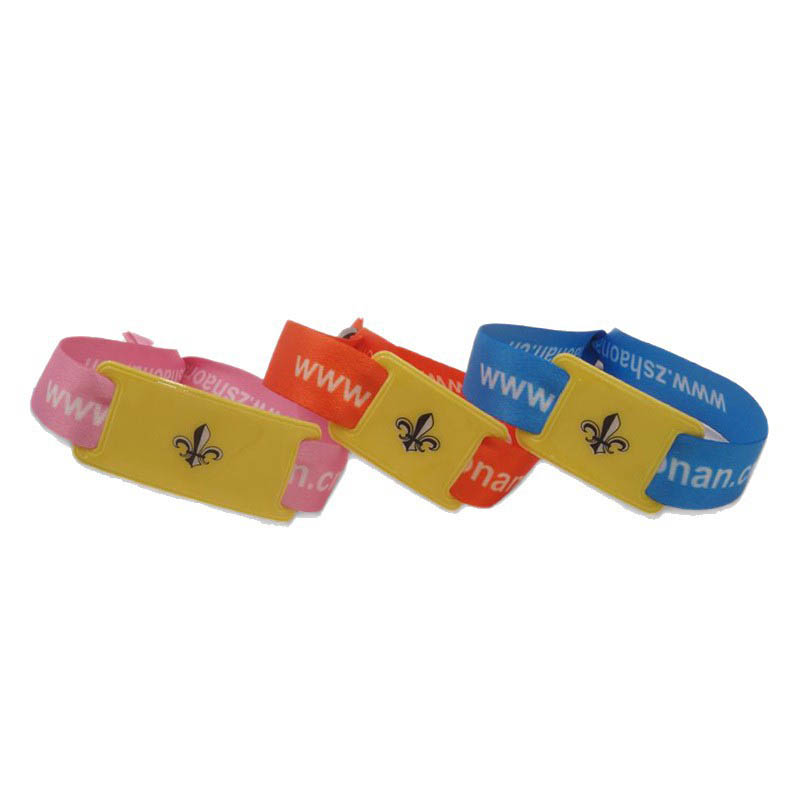
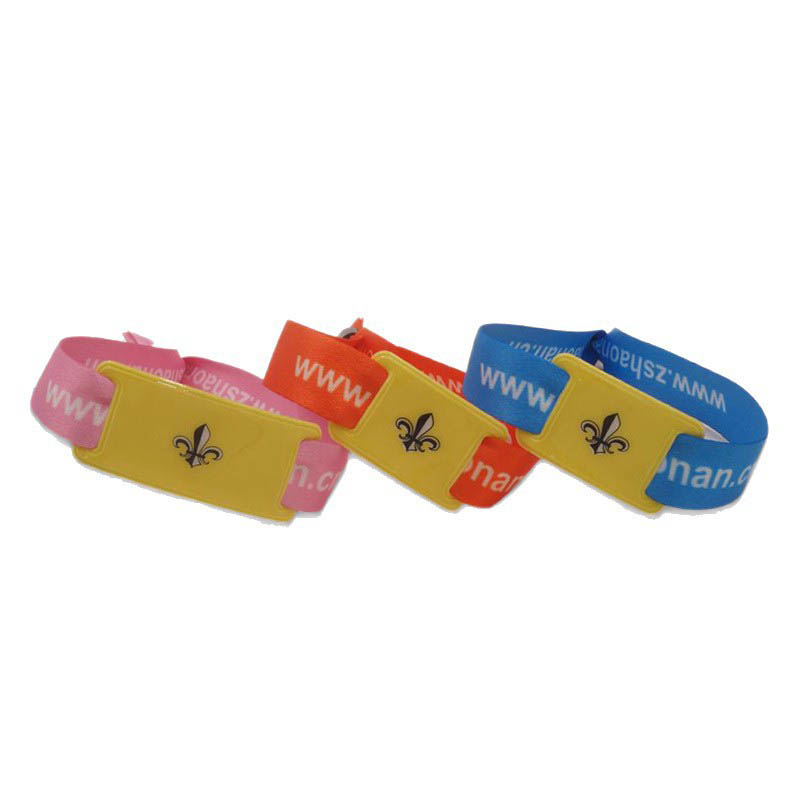
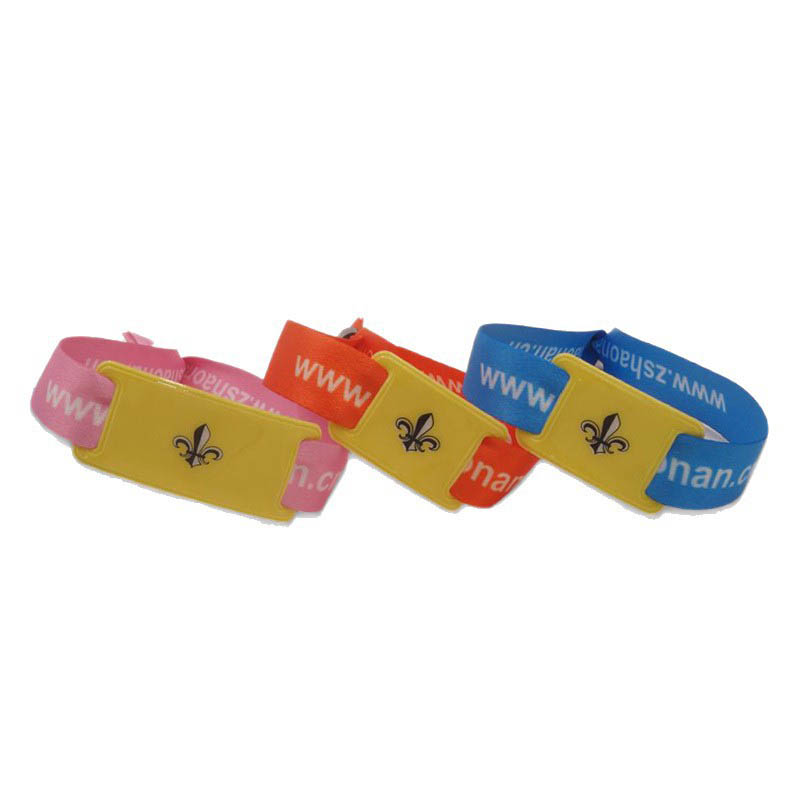
With the continuous advancement of smart scenic area construction, UHF high-frequency wristbands, with their advantages of long-distance recognition, large information storage capacity, and fast reading speed, are gradually becoming an important component of scenic area fast-pass systems. Compared to traditional paper tickets and QR code ticket checking methods, UHF high-frequency wristbands can achieve contactless identity recognition and rapid verification, significantly improving visitor access efficiency. Meanwhile, the wristbands are made of high-quality materials, possessing good wear resistance and comfort, and can be widely used in scenic areas, theme parks, exhibitions, and large-scale cultural tourism projects.
1. Optimize Tag Antenna Design to Improve Reading Performance
The antenna is the core component for UHF high-frequency wristbands to achieve wireless communication, and its performance directly determines the reading distance and recognition stability. If the antenna design is unreasonable, signal attenuation or unstable recognition can easily occur in complex environments. Therefore, during the product design process, it is necessary to optimize the antenna structure according to the wristband wearing method and usage scenario to improve signal reception and transmission efficiency. Simultaneously, adjusting the antenna layout reduces the impact of the human body on wireless signals, ensuring the wristband maintains good reading performance at different wearing angles, thereby improving long-distance recognition capabilities.
2. Improving Reader/Writer Performance Enhances Recognition Efficiency
Besides the wristband's inherent performance, the reader/writer devices in the scenic area's access control system are equally crucial. High-performance readers/writers can quickly capture wristband signals and complete identity verification and data processing in a short time. Optimizing the device's receiving sensitivity and signal coverage effectively improves the recognition success rate. Furthermore, strategically setting up reading areas allows tourists to complete identity verification while walking, avoiding waiting and improving overall passage efficiency.
3. Optimizing Channel Layout Reduces Signal Interference
Scenic area entrances often experience large numbers of tourists passing through simultaneously. An inefficient channel design can easily lead to tag collisions and signal interference. Therefore, the number and layout of ticket checking channels should be rationally planned based on visitor flow characteristics. Optimizing the installation location and reading range of the reader/writer reduces signal overlap between different channels. Simultaneously, combining intelligent recognition technology allows for rapid differentiation and processing of multiple tags appearing simultaneously, ensuring the system accurately identifies each tourist's information and improves passage stability.
4. Enhance System Data Processing Capabilities to Shorten Verification Time
Fast passage relies not only on hardware but also on a highly efficient data processing platform. When visitors pass through the entrance, the system needs to complete identity verification, permission confirmation, and record updates within a very short time. Therefore, the backend data processing flow should be optimized to improve server response speed and data transmission efficiency. Real-time data synchronization and automatic verification through an intelligent management platform reduce manual intervention, thereby further shortening visitor waiting time and improving the operational efficiency of the scenic area entrance.
5. Improve Wristband Durability to Ensure Long-Term Stable Operation
With a large number of visitors to scenic areas, wristbands need to maintain stable performance under different weather and environmental conditions. Therefore, in terms of material selection and manufacturing processes, the wristbands' wear resistance, moisture resistance, and tear resistance should be improved to ensure that the labels maintain good recognition even after long-term use. High-quality printing processes should be adopted to ensure that barcodes, QR codes, laser numbering, and other information are clearly readable, complementing UHF identification technology and improving overall management reliability and user experience.
The application of UHF high-frequency wristbands in the scenic area's fast passage system not only improves visitor entry efficiency but also promotes the digital and intelligent management upgrade of the scenic area. By optimizing tag antenna design, improving read/write device performance, refining channel layout, enhancing data processing capabilities, and increasing wristband durability, long-distance reading stability can be effectively improved and visitor entry time can be shortened. With the development of IoT technology and smart tourism, UHF high-frequency wristbands will play an increasingly important role in identity verification, fast access, and intelligent services, providing visitors with a more convenient and efficient travel experience.
1. Optimize Tag Antenna Design to Improve Reading Performance
The antenna is the core component for UHF high-frequency wristbands to achieve wireless communication, and its performance directly determines the reading distance and recognition stability. If the antenna design is unreasonable, signal attenuation or unstable recognition can easily occur in complex environments. Therefore, during the product design process, it is necessary to optimize the antenna structure according to the wristband wearing method and usage scenario to improve signal reception and transmission efficiency. Simultaneously, adjusting the antenna layout reduces the impact of the human body on wireless signals, ensuring the wristband maintains good reading performance at different wearing angles, thereby improving long-distance recognition capabilities.
2. Improving Reader/Writer Performance Enhances Recognition Efficiency
Besides the wristband's inherent performance, the reader/writer devices in the scenic area's access control system are equally crucial. High-performance readers/writers can quickly capture wristband signals and complete identity verification and data processing in a short time. Optimizing the device's receiving sensitivity and signal coverage effectively improves the recognition success rate. Furthermore, strategically setting up reading areas allows tourists to complete identity verification while walking, avoiding waiting and improving overall passage efficiency.
3. Optimizing Channel Layout Reduces Signal Interference
Scenic area entrances often experience large numbers of tourists passing through simultaneously. An inefficient channel design can easily lead to tag collisions and signal interference. Therefore, the number and layout of ticket checking channels should be rationally planned based on visitor flow characteristics. Optimizing the installation location and reading range of the reader/writer reduces signal overlap between different channels. Simultaneously, combining intelligent recognition technology allows for rapid differentiation and processing of multiple tags appearing simultaneously, ensuring the system accurately identifies each tourist's information and improves passage stability.
4. Enhance System Data Processing Capabilities to Shorten Verification Time
Fast passage relies not only on hardware but also on a highly efficient data processing platform. When visitors pass through the entrance, the system needs to complete identity verification, permission confirmation, and record updates within a very short time. Therefore, the backend data processing flow should be optimized to improve server response speed and data transmission efficiency. Real-time data synchronization and automatic verification through an intelligent management platform reduce manual intervention, thereby further shortening visitor waiting time and improving the operational efficiency of the scenic area entrance.
5. Improve Wristband Durability to Ensure Long-Term Stable Operation
With a large number of visitors to scenic areas, wristbands need to maintain stable performance under different weather and environmental conditions. Therefore, in terms of material selection and manufacturing processes, the wristbands' wear resistance, moisture resistance, and tear resistance should be improved to ensure that the labels maintain good recognition even after long-term use. High-quality printing processes should be adopted to ensure that barcodes, QR codes, laser numbering, and other information are clearly readable, complementing UHF identification technology and improving overall management reliability and user experience.
The application of UHF high-frequency wristbands in the scenic area's fast passage system not only improves visitor entry efficiency but also promotes the digital and intelligent management upgrade of the scenic area. By optimizing tag antenna design, improving read/write device performance, refining channel layout, enhancing data processing capabilities, and increasing wristband durability, long-distance reading stability can be effectively improved and visitor entry time can be shortened. With the development of IoT technology and smart tourism, UHF high-frequency wristbands will play an increasingly important role in identity verification, fast access, and intelligent services, providing visitors with a more convenient and efficient travel experience.