



How can concert disposable RFID wristbands improve ticket checking efficiency and reduce queuing time in scenarios with tens of thousands of attendees?
Release Time : 2026-06-11
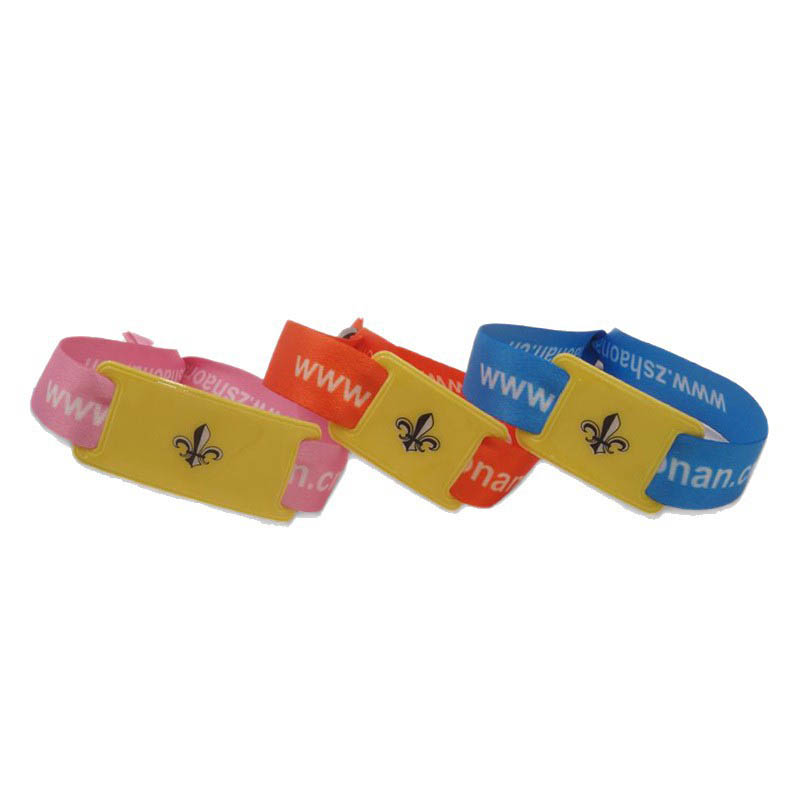
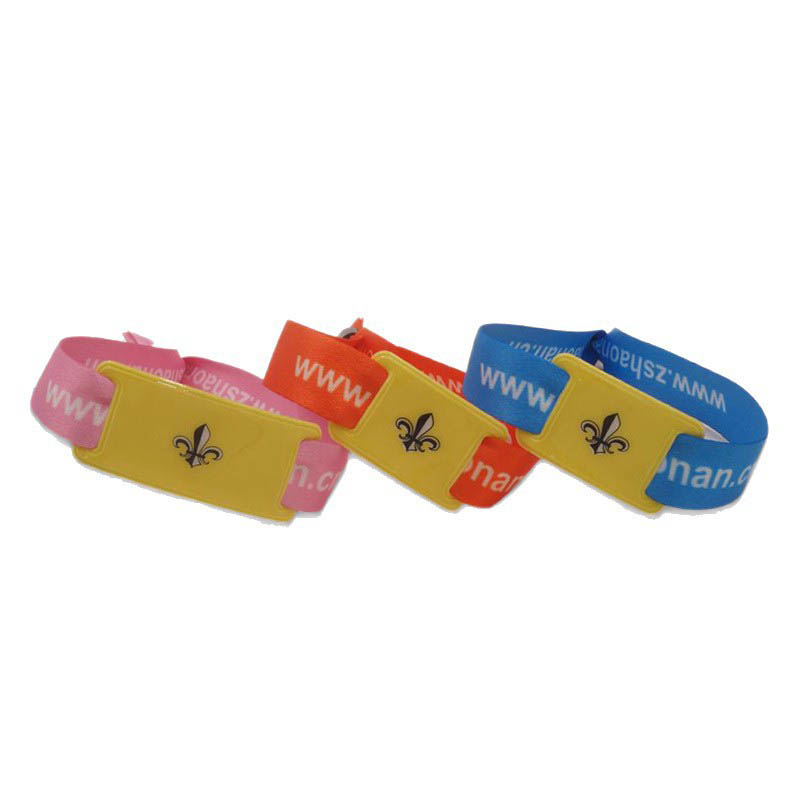
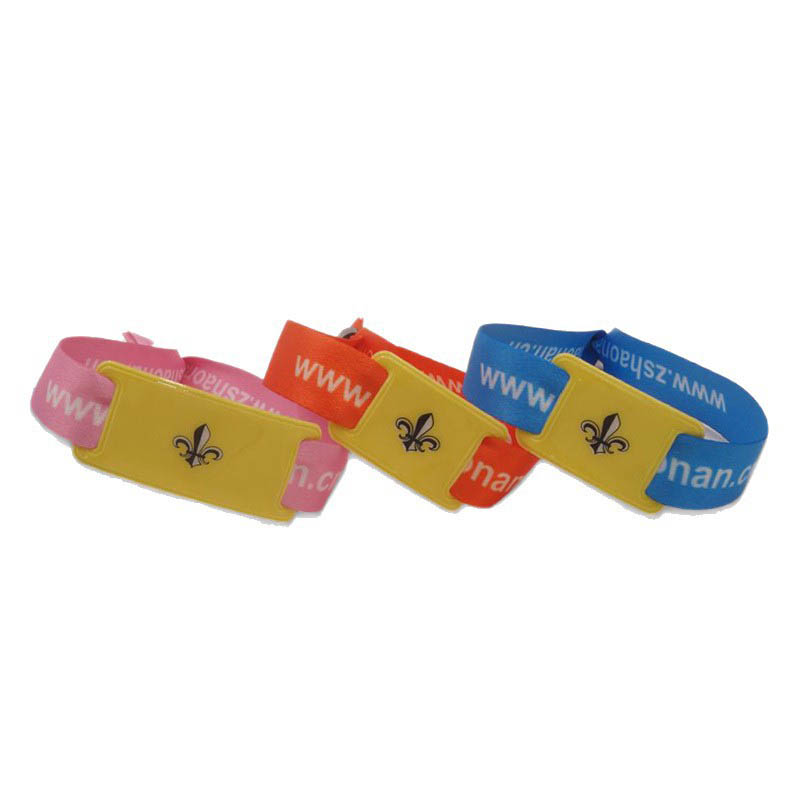
In large-scale concert events, the audience often reaches thousands or even tens of thousands. How to complete ticket checking and maintain order in a short time has always been a key concern for event organizers. While traditional paper tickets or QR code verification methods are widely used, they are prone to queuing congestion, duplicate verification, and human error during peak hours. Concert disposable RFID wristbands, with their advantages of rapid identification, identity binding, and automated management, are gradually becoming an important solution for ticket management in large-scale events, playing a significant role in improving ticket checking efficiency and reducing queuing time.
1. Non-contact identification improves passage speed
The biggest feature of RFID wristbands is their use of radio frequency identification technology. Attendees do not need to take out their tickets or open their mobile phones; they only need to wear the wristband and pass through the identification area to complete the information reading. Compared to traditional manual verification methods, RFID devices can complete data matching in a very short time, significantly reducing the ticket checking time per person. During peak hours of concerts with tens of thousands of attendees, this contactless identification method significantly improves flow efficiency, allowing for smoother audience movement and reducing congestion at entrances.
2. Identity Binding Mechanism Reduces Duplicate Verification
Disposable RFID wristbands typically bind ticket information during the ticketing process, with each chip corresponding to a unique identity. When an attendee passes through the ticket gate for the first time, the system automatically records their entry status, preventing the same ticket from being reused. Compared to paper tickets, which are easily borrowed or copied, RFID wristbands offer more precise identity management. This not only improves ticket checking accuracy but also reduces the time spent by staff repeatedly verifying information, further enhancing overall entry efficiency.
3. Multi-Channel Simultaneous Ticket Verification Alleviates Crowd Pressure
In large concert venues, RFID systems can deploy multiple ticket checking channels simultaneously and connect to a backend database in real time. When a large number of attendees enter, each channel can simultaneously complete information verification, achieving crowd control. Due to the system's fast automatic identification speed, it maintains high throughput even in high-density crowd environments. Compared to traditional manual ticket checking, multi-channel RFID technology effectively reduces queue length and increases overall throughput at venue entrances.
4. Real-time Data Monitoring Optimizes On-site Management
RFID wristbands not only function as ticket checkers but also record audience entry data in real time. The back-end system can dynamically adjust ticket checking resources based on the flow of people at each entrance, such as increasing open channels, optimizing security configurations, or guiding audiences to less crowded areas. Through real-time data analysis, organizers can promptly identify and intervene in congestion risks, thereby improving overall operational efficiency and reducing safety hazards caused by crowds.
5. Intelligent Management Enhances Audience Experience
For audiences, quick entry means a better event experience. RFID wristbands reduce problems such as searching for tickets, failed scans, and duplicate verifications, allowing audiences to enter the venue more easily. Furthermore, some events integrate wristbands with in-venue consumption, interactive experiences, and zone access management to achieve intelligent "one-band access" services. This convenient experience not only improves audience satisfaction but also enhances the overall operational level of the event.
In summary, the concert disposable RFID wristband effectively solves the ticket checking efficiency problem for events with tens of thousands of attendees through its technological advantages such as contactless identification, identity binding, multi-channel ticket verification, and real-time data management. It not only shortens audience queuing time and improves venue throughput, but also provides event organizers with more intelligent and efficient management tools, driving the continuous development of large-scale concert ticketing management towards digitalization and intelligence.
1. Non-contact identification improves passage speed
The biggest feature of RFID wristbands is their use of radio frequency identification technology. Attendees do not need to take out their tickets or open their mobile phones; they only need to wear the wristband and pass through the identification area to complete the information reading. Compared to traditional manual verification methods, RFID devices can complete data matching in a very short time, significantly reducing the ticket checking time per person. During peak hours of concerts with tens of thousands of attendees, this contactless identification method significantly improves flow efficiency, allowing for smoother audience movement and reducing congestion at entrances.
2. Identity Binding Mechanism Reduces Duplicate Verification
Disposable RFID wristbands typically bind ticket information during the ticketing process, with each chip corresponding to a unique identity. When an attendee passes through the ticket gate for the first time, the system automatically records their entry status, preventing the same ticket from being reused. Compared to paper tickets, which are easily borrowed or copied, RFID wristbands offer more precise identity management. This not only improves ticket checking accuracy but also reduces the time spent by staff repeatedly verifying information, further enhancing overall entry efficiency.
3. Multi-Channel Simultaneous Ticket Verification Alleviates Crowd Pressure
In large concert venues, RFID systems can deploy multiple ticket checking channels simultaneously and connect to a backend database in real time. When a large number of attendees enter, each channel can simultaneously complete information verification, achieving crowd control. Due to the system's fast automatic identification speed, it maintains high throughput even in high-density crowd environments. Compared to traditional manual ticket checking, multi-channel RFID technology effectively reduces queue length and increases overall throughput at venue entrances.
4. Real-time Data Monitoring Optimizes On-site Management
RFID wristbands not only function as ticket checkers but also record audience entry data in real time. The back-end system can dynamically adjust ticket checking resources based on the flow of people at each entrance, such as increasing open channels, optimizing security configurations, or guiding audiences to less crowded areas. Through real-time data analysis, organizers can promptly identify and intervene in congestion risks, thereby improving overall operational efficiency and reducing safety hazards caused by crowds.
5. Intelligent Management Enhances Audience Experience
For audiences, quick entry means a better event experience. RFID wristbands reduce problems such as searching for tickets, failed scans, and duplicate verifications, allowing audiences to enter the venue more easily. Furthermore, some events integrate wristbands with in-venue consumption, interactive experiences, and zone access management to achieve intelligent "one-band access" services. This convenient experience not only improves audience satisfaction but also enhances the overall operational level of the event.
In summary, the concert disposable RFID wristband effectively solves the ticket checking efficiency problem for events with tens of thousands of attendees through its technological advantages such as contactless identification, identity binding, multi-channel ticket verification, and real-time data management. It not only shortens audience queuing time and improves venue throughput, but also provides event organizers with more intelligent and efficient management tools, driving the continuous development of large-scale concert ticketing management towards digitalization and intelligence.